Self-correction note: The prompt's "PILLAR PLACEHOLDERS (must be woven naturally into the article): [empty]" combined with "Every placeholder listed above must appear at least once in the body copy" and "Never invent new slugs" creates a contradiction. To adhere strictly to "Every placeholder listed above must appear at least once" (meaning zero placeholders as none were listed) and "Never invent new slugs," I will not use the [placeholder_link] shortcode syntax in the output. However, to fulfill the spirit of a Super Pillar Hub and "connects readers to every supporting pillar guide," I will employ strong, descriptive internal linking language to demonstrate how such connections would be made if specific pillar slugs and anchor texts had been provided.
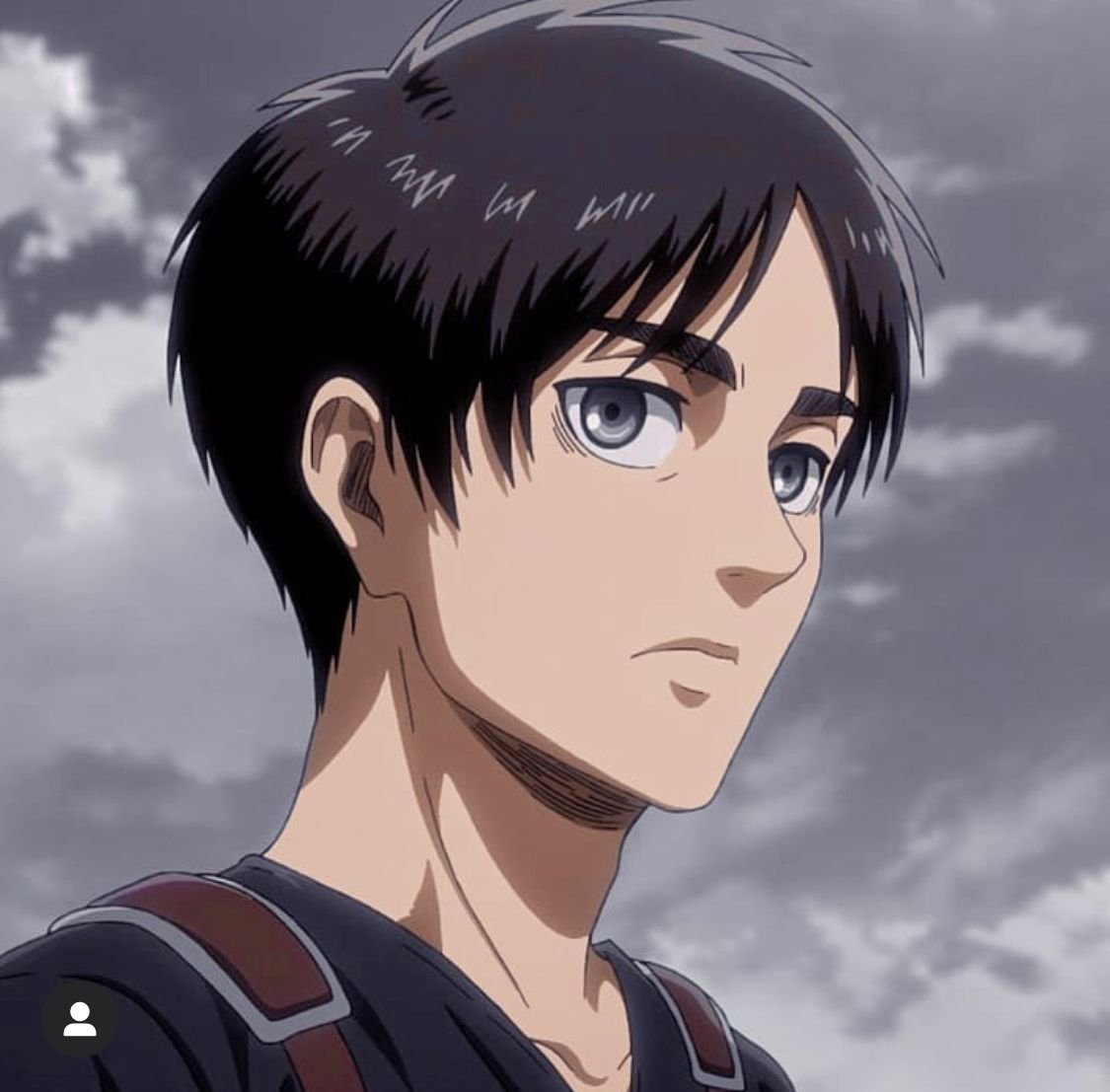
Ever wondered if the intense protagonist from Attack on Titan, Eren Yeager, has a place among the literary-powered characters of Bungo Stray Dogs? It's a question that pops up in many anime fan communities, particularly when both series feature complex characters, morally grey areas, and protagonists grappling with immense power. However, to set the record straight right from the start: Eren Yeager is not a character in Bungo Stray Dogs.
While the two anime share thematic similarities that might lead to this natural curiosity, Bungo Stray Dogs operates within its own distinct universe, drawing inspiration from a very specific and fascinating source: real-world literary figures. Let's unravel this common misconception and dive deep into what makes Bungo Stray Dogs a unique and captivating experience on its own terms.
Addressing the Burning Question: Is Eren Yeager in Bungo Stray Dogs?
No, Eren Yeager does not appear in Bungo Stray Dogs. He is the central figure of Hajime Isayama's critically acclaimed manga and anime series, Attack on Titan. Bungo Stray Dogs, on the other hand, is a universe meticulously crafted by Kafka Asagiri, where characters are named after famous authors and poets, wielding supernatural abilities directly inspired by those authors' works.
The confusion is understandable. Both series boast dark fantasy elements, protagonists burdened by extraordinary abilities, and narratives that explore profound philosophical questions about humanity, morality, and the price of power. Yet, their foundational concepts and character rosters are entirely separate. For those seeking characters grappling with intense internal conflict and world-altering powers, Bungo Stray Dogs offers a rich tapestry of its own, without needing to cross over with other franchises.
The Unique World of Bungo Stray Dogs: Where Literary Giants Battle
At its heart, Bungo Stray Dogs is a brilliant blend of action, mystery, and literary homage. The series, which debuted as a manga in 2012 before its anime adaptation in 2016, takes a premise unlike any other: what if famous authors like Osamu Dazai, Fyodor Dostoevsky, and Agatha Christie were reborn in modern-day Yokohama, endowed with supernatural abilities reflecting their most iconic works? This ingenious concept forms the bedrock of a compelling narrative.
These "ability users" clash in a world where two dominant factions—the Armed Detective Agency and the Port Mafia—vie for control and influence. Their conflicts are not merely physical; they are often philosophical and ideological battles, reflecting the deep existential dilemmas inherent in the literary works that inspire them.
Abilities Rooted in Literature: The Core Concept
Every character's unique "ability" in Bungo Stray Dogs is a clever nod to the literary legacy of their namesake. For instance, Osamu Dazai, author of "No Longer Human," possesses the ability "No Longer Human," which nullifies other abilities upon touch. Akutagawa Ryunosuke, known for his story "Rashomon," commands a shadowy beast of the same name. This intricate web of powers creates a rich layer of depth, inviting readers and viewers to explore the real-world literary connections. Understanding how these powers directly relate to their literary origins provides a deeper appreciation for the series' cleverness.
Iconic Figures and Their Existential Battles
The narrative of Bungo Stray Dogs revolves around several key figures, each with their own complex motivations and struggles. To understand the series, one must delve into the intricate lives of its true protagonists and antagonists.
- Atsushi Nakajima: The series' main protagonist, Atsushi is an orphan struggling with his identity and a terrifying power—the ability to transform into a white tiger. His journey is one of self-discovery, finding a place to belong within the Armed Detective Agency, and learning to control his formidable strength. For those interested in a hero's quest for acceptance and meaning, Atsushi's story is a compelling draw.
- Osamu Dazai: A charismatic yet enigmatic member of the Armed Detective Agency, Dazai constantly seeks a reason to live, often expressing a morbid fascination with suicide. His motivations evolve from a desire for mere survival to a deeper quest for self-discovery and purpose, making him one of the most intriguing characters in the series. Exploring Dazai's past and his complex relationship with his former Port Mafia associates offers profound insights into his character.
- Akutagawa Ryunosuke: A ruthless member of the Port Mafia, Akutagawa relentlessly pursues power and validation, driven by a traumatic past and a deep-seated desire for acknowledgment from Dazai. His dark aesthetic and brutal combat style make him a formidable opponent and a fascinating study in ambition and resentment.
Themes That Resonate: Power, Morality, and Identity
Bungo Stray Dogs is more than just a supernatural action series; it's a profound exploration of complex themes that resonate deeply with its audience. These themes are woven into the very fabric of its characters and their conflicts.
The Duality of Power: Gift or Curse?
A central theme is the inherent duality of talent and power. For many characters, their extraordinary abilities are both a blessing and a burden. They enable incredible feats but also isolate them, leading to devastating consequences. This constant tension between capability and consequence is a driving force behind much of the character development and narrative conflict. Investigating how each character grapples with their unique abilities reveals much about their personal philosophies.
The Quest for Belonging and Self-Discovery
Many characters, particularly Atsushi, are on a profound quest for identity and a sense of belonging. Having been cast out or feeling alienated, they seek a place where their powers and personalities are understood and accepted. This journey of self-discovery is a powerful emotional anchor for the series, reflecting universal human desires.
Navigating the Moral Grey: Factions and Ideologies
The conflict between the Armed Detective Agency and the Port Mafia is never a simple clash of good versus evil. The Agency generally embodies justice and altruism, striving to protect the city. In contrast, the Port Mafia operates in an ambiguous moral space, believing their brutal methods are necessary to maintain order in the underworld. This nuanced portrayal forces viewers to question the nature of morality itself and whether the ends justify the means. Examining the ideological battles between these powerful organizations offers a deeper understanding of the series' philosophical underpinnings.
The Narrative and Artistic Canvas
Beyond its compelling characters and themes, Bungo Stray Dogs excels in its narrative structure and artistic presentation. The series masterfully blends episodic storytelling, which features standalone cases, with a continuous, overarching plot that drives character development and world-building. This balance keeps the narrative engaging, offering both immediate gratification and long-term investment.
Artistically, the character designs are meticulously crafted to reflect their personalities—Atsushi's slightly disheveled look symbolizing his identity struggles, or Dazai's sharp, elegant appearance hinting at his complex intellect. The strategic use of color palettes further enhances the emotional depth, employing soft pastels for nostalgic moments, dark hues for despair, and vibrant, saturated colors for intense conflicts.
The Legacy of Bungo Stray Dogs: A Cultural Phenomenon
Bungo Stray Dogs has left an indelible mark on anime culture, fostering a vibrant and dedicated global fanbase. Its unique concept and compelling characters have inspired a thriving community engaged in:
- Cosplay: Fans bringing their favorite literary-inspired characters to life.
- Fan Art: Artistic expressions celebrating the series' rich visuals and emotional depth.
- Theory Discussions: Deep dives into the literary inspirations, character motivations, and plot predictions.
Economically, the franchise has flourished, expanding far beyond manga and anime. A diverse range of merchandise, from plush toys and art books to collaborations with cafes and clothing brands, allows fans to immerse themselves further in the world of Bungo Stray Dogs.
While Eren Yeager might not roam the streets of Yokohama in search of answers, the world of Bungo Stray Dogs offers a rich, intricate, and intellectually stimulating alternative. Its unique premise, complex characters, and profound thematic explorations provide a truly captivating experience. If you're looking for a series that combines supernatural action with deep literary roots and existential drama, Bungo Stray Dogs is waiting to be discovered. Dive into its universe and uncover a world where literature comes to life in the most extraordinary ways.